Voice agents are new. The rules that govern phone calls mostly aren't, and they apply to an AI on the line just as much as to a person. Most of the risk in deploying a voice agent comes from forgetting that, not from anything specific to AI.
This is a practical overview to help you ask the right questions. It isn't legal advice, the rules differ by country and state, and they keep changing, so check your own situation with a lawyer before you launch outbound calling.
Am I allowed to call this person this way? Am I allowed to record the call? Have I told them they're talking to an AI? A deployment can get two right and still fail on the third.
1. Consent to call (mostly about outbound)
In the United States, the Telephone Consumer Protection Act (TCPA) restricts calls that use an "artificial or prerecorded voice." In February 2024, the FCC issued a declaratory ruling confirming that AI-generated voices count as artificial voices under the TCPA. In practice, outbound calls placed by a voice agent are treated like robocalls.
What that generally means:
Inbound calls, where the customer rings you and the agent answers, are a different situation for consent to call. Recording and disclosure still apply, though.
2. Consent to record
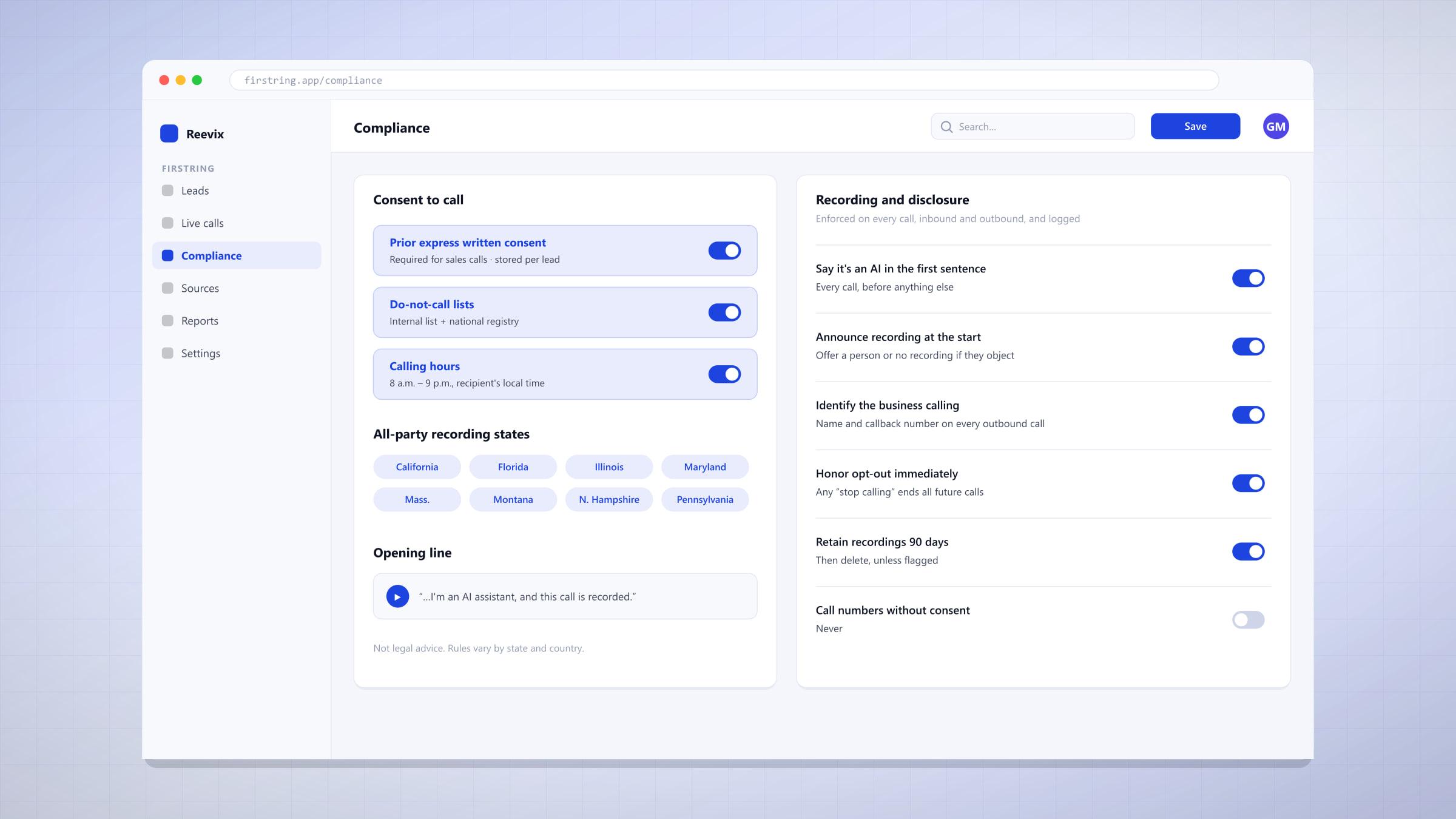
Voice agents record and transcribe by default, because that's how you review and improve them. Recording laws vary. US federal law and most states require only one party to consent, but a number of states, including California, Florida, Illinois, Pennsylvania, and Washington, require everyone on the call to agree. Other countries have their own rules, and in Europe recordings are personal data under the GDPR.
The simple, safe pattern: say at the start that the call may be recorded, and give a way to continue without recording, or to reach a person, if the caller objects.
3. Tell people it's an AI
Disclosure is becoming a legal requirement in more places. The EU AI Act's transparency rules, for example, require that people be told when they're interacting with an AI system, and some US states have their own bot-disclosure laws for sales conversations. It's also simply good practice. Callers who find out halfway through tend to feel tricked, and that turns a fixable problem into a complaint.
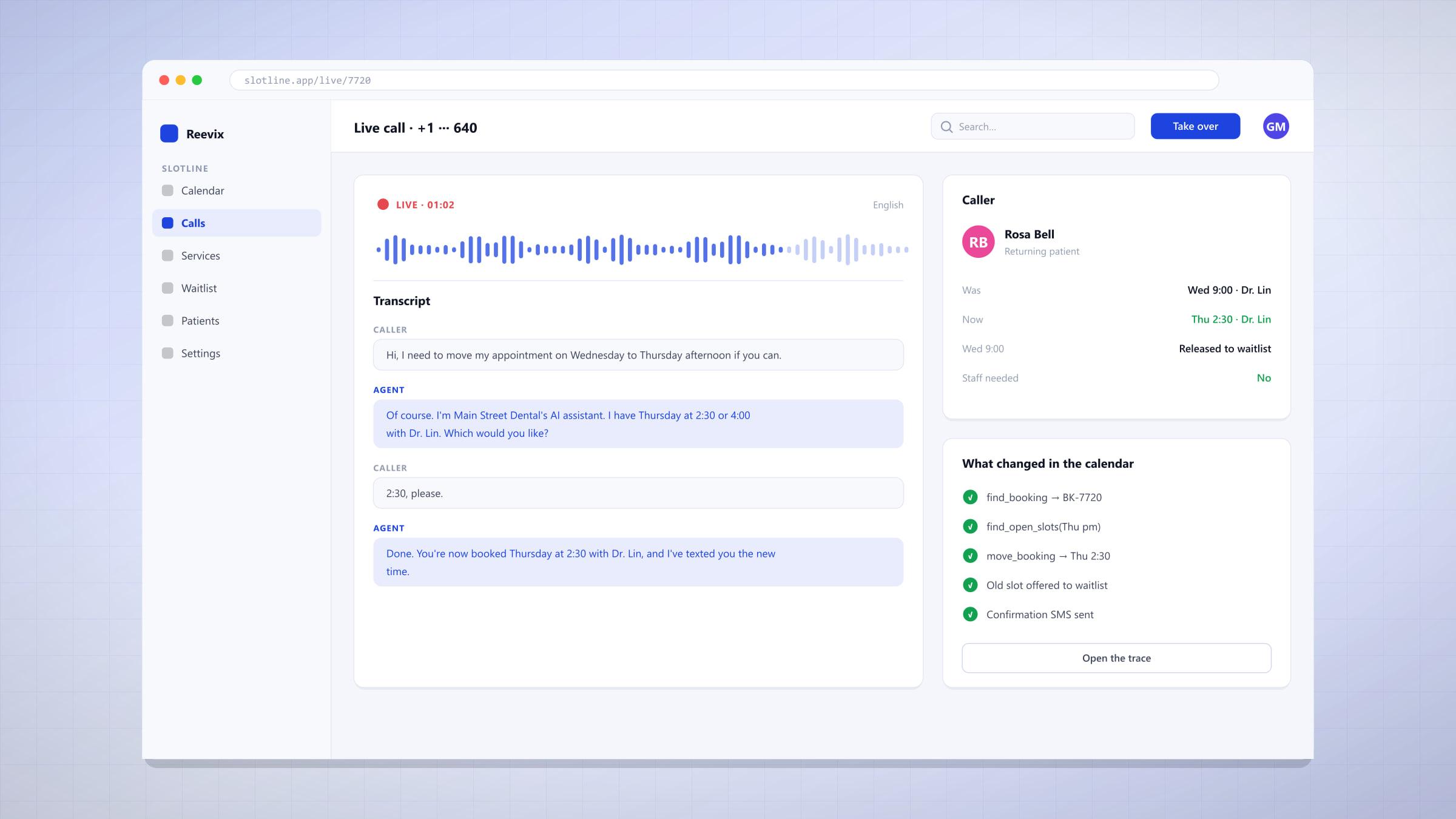
A good opening covers all three questions in one breath: "Hi, this is the virtual assistant for Ridgeline Heating. I'm an AI, and this call is recorded. How can I help?"
Build the rules into the system
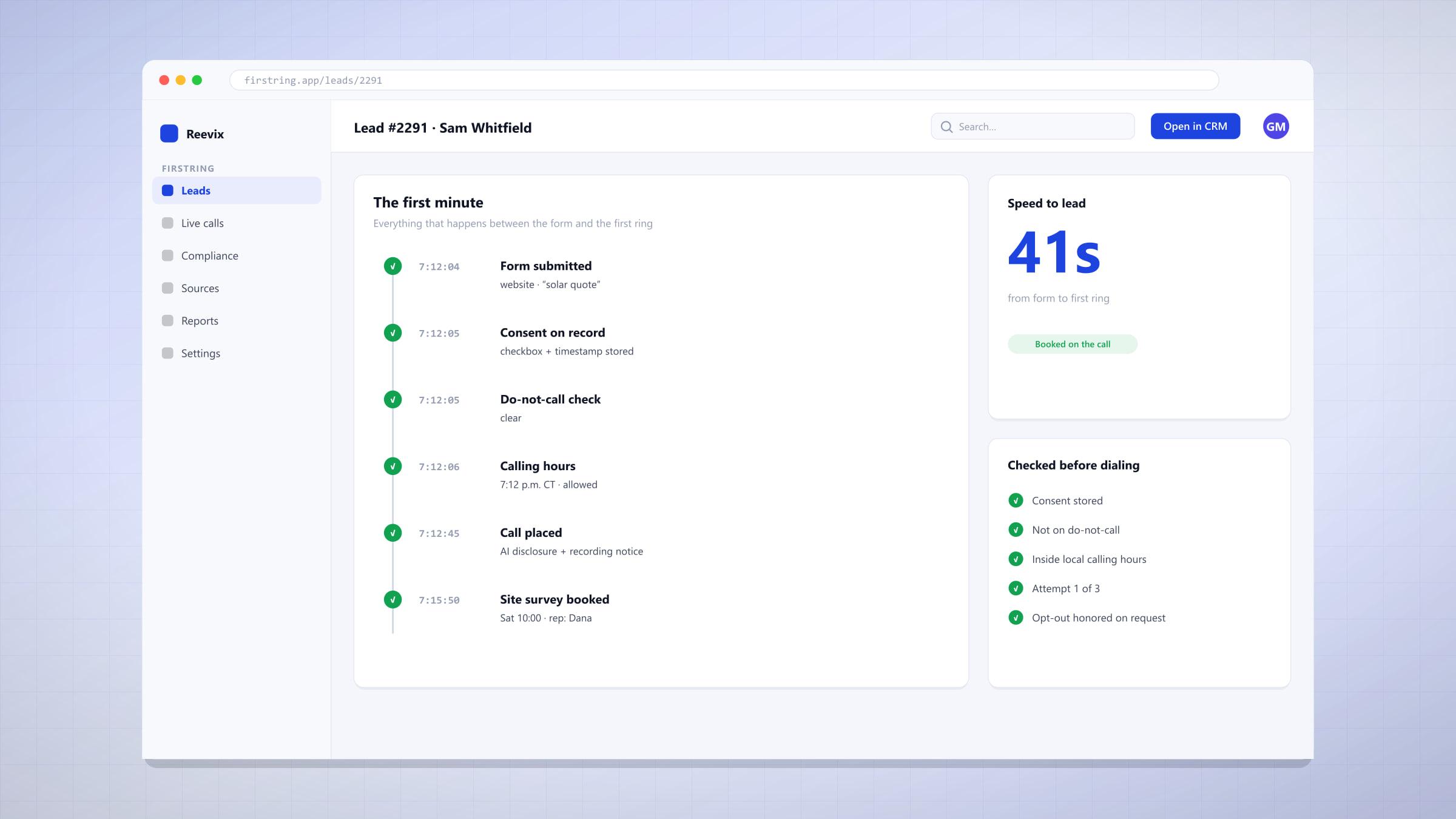
None of this should rely on someone remembering. Consent records, do-not-call checks, calling-hours windows, opt-out handling, the disclosure line, and recording retention should all be enforced by the software on every call, with logs that show they were.
The rules aren't the obstacle to using voice AI. They're the checklist that keeps the phone numbers, and the customers, yours.
If you'd rather not build this yourself, that's what our products are for — AI receptionists, phone booking, outbound calling, and voice platforms, already written and ready for your stack.
Golam Mostafa writes every product in the Reevix catalog, and answers its support. Get every deep-dive and every product with All-Access.